

Choosing a Rose Gold Engagement Ring
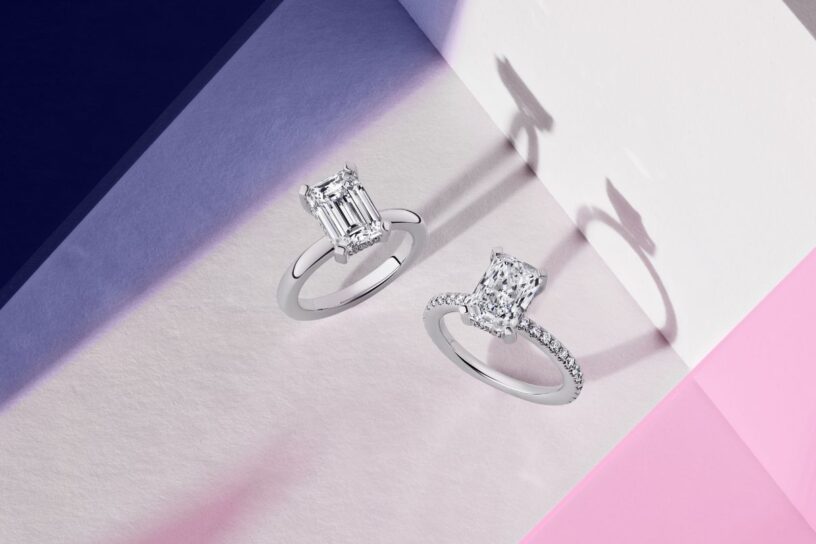
Warm pink shades give this ring a character all its own. Unlike classic yellow or white versions, it catches eyes differently. Modern appeal blends quietly with lasting charm here. Many find its glow suits them naturally – no effort needed. Start strong with what matters most – style, how long it lasts, how much you spend. Copper gives rose gold its strength, so scratches won’t show fast. That blend holds up fine when worn every day, no fading drama. Mix it with white or yellow tones instead of sticking to one shade.
Laboratory Created Diamonds Explained
Starting off, rose gold engagement ring count as true diamonds. Identical on the inside, outside, and under light – just like those dug up. What sets them apart? Where they come from. Rather than coming out of the ground, these form in labs with careful oversight. Picking one could make sense for any number of personal reasons
- Priced lower, lab made stones typically match natural ones in look yet come cheaper. Size for size, they deliver the same sparkle without the high tag. A smaller hit on the wallet happens here, even when quality lines up close. Often found at reduced rates, these gems skip the deep earth journey but keep visual parity. Less digging means lighter costs, showing in what buyers pay.
- Finding materials responsibly means skipping the harm that often comes with regular mining practices.
- Some gems grown in labs show less cloudiness, their tones match better across stones. A lab setting allows tighter grip on how pure each crystal looks. Fewer flaws appear inside them, shades stay even from one diamond to the next. Growing them in controlled spaces helps keep colors steady. Purity levels rise when conditions are managed closely.
Imagine one carat made in a lab. That stone might take only two thirds the price of digging one up – yet look just like it. Sometimes lower cost does not mean lesser looks.
Lab Grown Diamonds How They Are Made
One way to make diamonds in a lab is through high pressure and heat, much like how they form underground. Another uses a gas mixture that breaks down into carbon atoms inside a chamber
- A diamond takes shape when carbon gets squeezed deep underground where it’s both hot and tight. The lab copies that crush and heat to grow a stone just like Earth would. Pressure piles up while warmth builds, turning plain material into something hard and clear. Deep below, time and force do their work – labs speed this by cranking both way up.
- Inside a sealed chamber, carbon-filled gas slowly forms diamond sheets over a surface. A steady flow of vapor adds structure one layer at a time. This process grows stones step by step under stable conditions. Gases shift into solid form when heat and pressure align just right.
One way or another, both create stones identical to mined diamonds unless tested closely. The process behind a diamond might explain its price tag and unique traits.
Selecting a Diamond for Your Ring
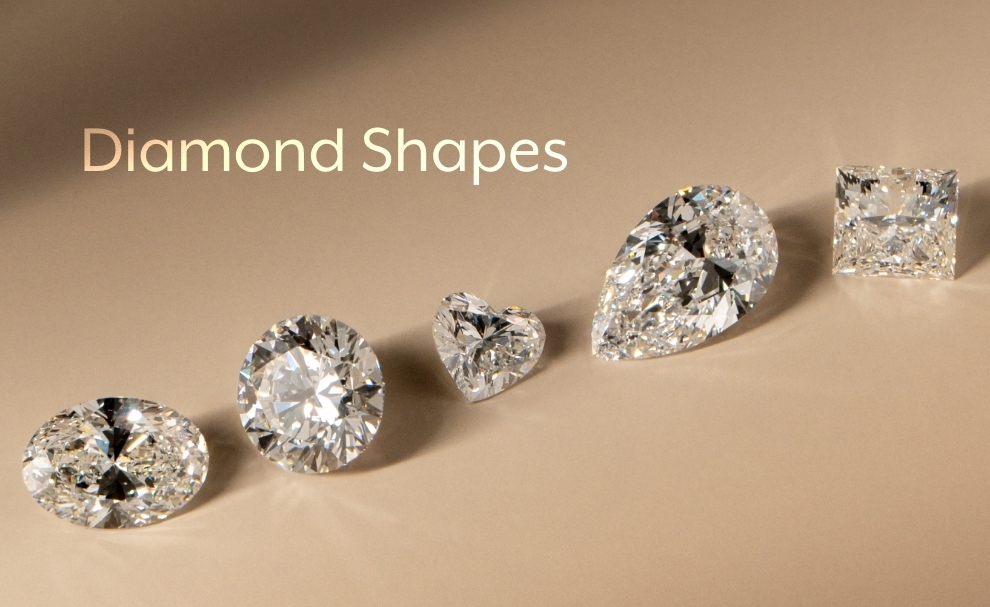
A good pick means looking at what matters lab grown diamonds like natural stones demand attention to detail. Think cut first, then how color shows up under light. Clarity enters the picture when checking tiny marks inside. Weight follows naturally once other traits are clear.
- Brightness shifts when the cut changes. Light bounces more smoothly through a finely shaped stone.
- Fresh from the lab, these stones appear in many shades. Pick a hue matching your setting and taste instead. A shade finds harmony with silver just as easily as gold.
- A clear look comes from fewer details inside. Simple shapes help it feel tidy. Less clutter means more space to notice what matters. Tiny bits can distract the eye. Focus stays better when things stay bare.
- A single carat can shift everything – weigh it against clarity, color, cut. Money talks, sure, yet a smaller stone with fire outshines a bigger dull one. What fits your wallet might surprise you when light dances just right.
A soft glow in the diamond can lift the warmth of rose gold. When the stone holds a hint of yellow, the metal looks richer. Sometimes, even a neutral sparkle fits just right beside it. The band’s pinkish hue blends smoothly with those tones.
Ring Settings and Styles
How your ring looks, along with how long it lasts, depends on the setting. Common choices are:
- A lone diamond sits at the center, offering timeless appeal. Simple by design yet striking in its clarity. This ring speaks without shouting. Elegance emerges through stillness. One stone, held high, catches light like morning frost.
- Halo: Smaller diamonds surround the center stone for extra sparkle.
- Time flows through each stone – memory behind, now here, what comes after ahead.
Warmth from rose gold brings out charm in both old-fashioned pieces and clean, new looks. While bigger diamonds gain a gentler look, tiny surrounding stones catch extra glow. Starting softly, it shifts attention just enough without shouting.
Caring for Your Rose Gold Ring
Pretty pinkish metal stands tough though it needs attention now then. A few small habits make that band stay fresh looking
- Rinse often using lukewarm water along with gentle soap.
- Bypass strong cleaners if they risk changing the metal’s shade.
- Far away from other pieces keeps it safe from marks. Where you put it matters if shine must stay.
Shine stays longer when care follows through. Brightness holds on if handled right. A gentle touch keeps things looking fresh.
Budgeting For Your Ring
Starting with lab created stones, money stretches further. A bigger size might fit the plan – sometimes even better clarity shows up too. Price tags on natural ones usually climb higher for similar traits
- Diamond price based on size and quality.
- Pricing shifts with how much rose gold is used plus the design choice. What you pick changes what you pay.
- Additional design features like accent stones or engraving.
Starting smart means your budget stays safe, yet the ring feels just right. A clear path keeps dreams close without stretching funds too far.
Frequently Asked Questions
Are lab grown diamonds real diamonds?
Right. Identical in makeup and behavior to natural stones. Just born in labs instead of deep underground. Their source sets them apart, nothing else.
Do rose gold rings require special care?
A little care goes a long way when it comes to upkeep. Still, skip any harsh substances near the surface of the material.
Can lab grown diamonds be customized?
Fine. These stones are shaped any way you need – round, square, colored, clear – all made on demand inside controlled spaces. A designer picks what fits, labs build it piece by piece.